5 Ways to Reduce the Risk of Mold in Your Damp Basement / Crawlspace
Whether your home sits on a slab, a crawlspace, a basement (or a combination), your foundation is an essential part of your home. Basements can provide valuable space for storage, recreation, or even extra living quarters. However, it’s also particularly vulnerable to water-related issues, especially if your home’s drainage system isn’t up to par. Poor drainage can lead to a host of problems that can compromise the structural integrity of your home, impact your family’s health, and lead to unexpected expenses. Here, we delve into how inadequate drainage can affect your foundation and what you can do to protect your home.
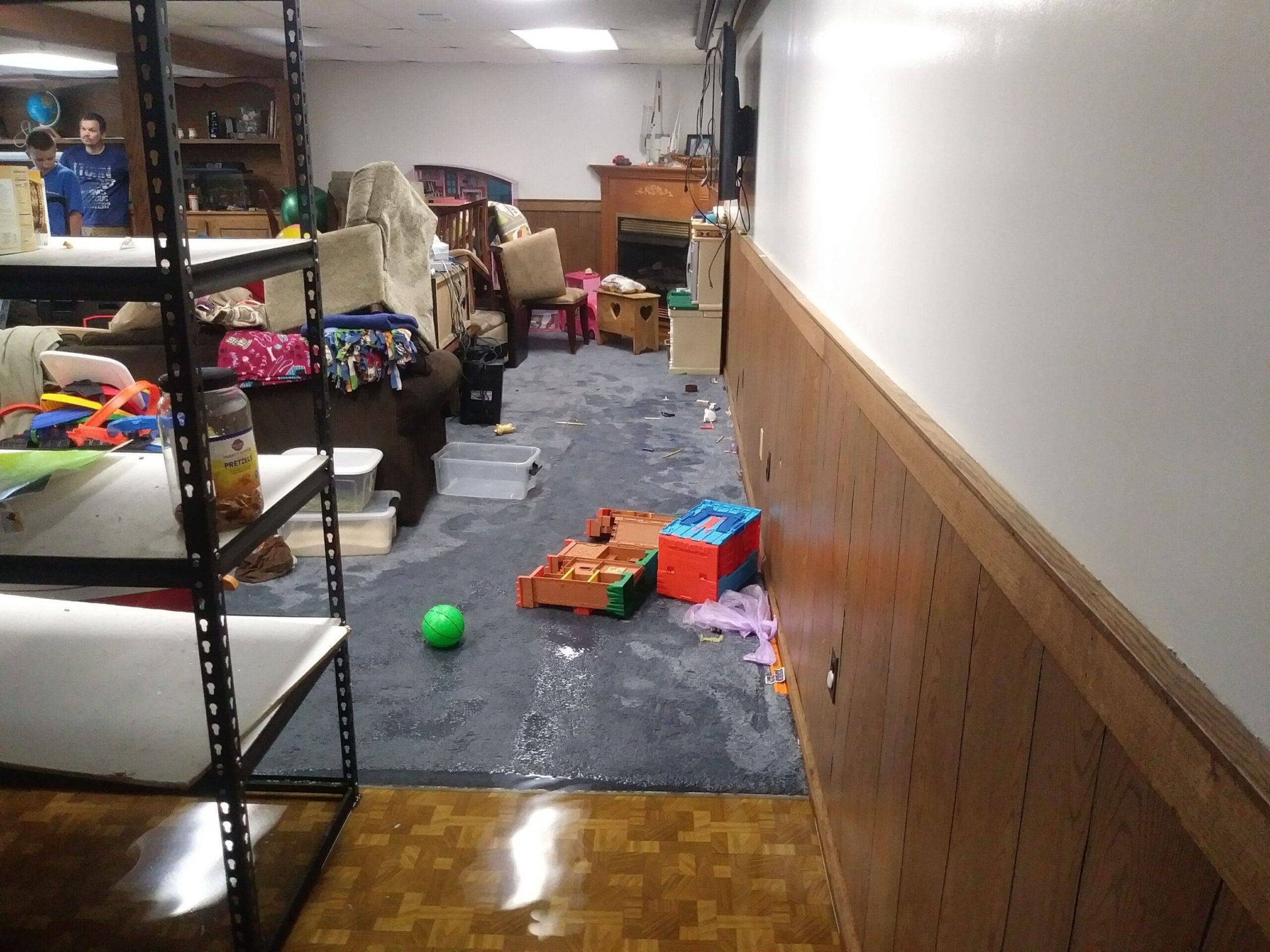
1. Water Infiltration
One of the most immediate consequences of poor drainage is water infiltration. During heavy rains or snow melts, water can accumulate around your home’s foundation. Without proper drainage, this water can seep into your basement or crawlspace through cracks or porous surfaces. Even a concrete slab will absorb excess moisture and could create problems. Even minor water leaks can lead to significant issues over time, causing damage to walls and floors and creating a persistent damp environment.
2. Mold and Mildew Growth
Mold and mildew thrive in damp, dark environments, making a wet basement the perfect breeding ground. When water seeps into your basement and doesn’t dry out, it creates an ideal environment for these harmful organisms to flourish. Mold and mildew can cause a range of health issues, particularly for individuals with allergies, asthma, or other respiratory conditions. The spores can spread throughout your home, affecting indoor air quality and posing long-term health risks to your family.
3. Increased Humidity
Beyond the visible signs of water damage, poor drainage can lead to increased humidity levels in your basement. High humidity can cause a variety of problems, including damage to stored items, rust on metal surfaces, and the development of musty odors that can permeate your entire home. Humidity can also promote further mold growth, exacerbating the issues mentioned above.
4. Damage to Finishes and Belongings
Your basement’s finishes, such as drywall, flooring, and paint, are all at risk when water enters the space. Continuous exposure to moisture can ruin these materials, leading to costly repairs or replacements. Additionally, any furniture or personal belongings stored in the basement can be damaged, resulting in the loss of valuable or sentimental items.
5. Increased Pest Activity
A damp basement can also become a haven for pests. Termites, rodents, and various insects thrive in moist environments, and once they find a suitable habitat in your basement, they can quickly spread to other parts of your home. These pests can cause significant damage to your property and pose health risks to your family.
How to Prevent Basement Water Issues
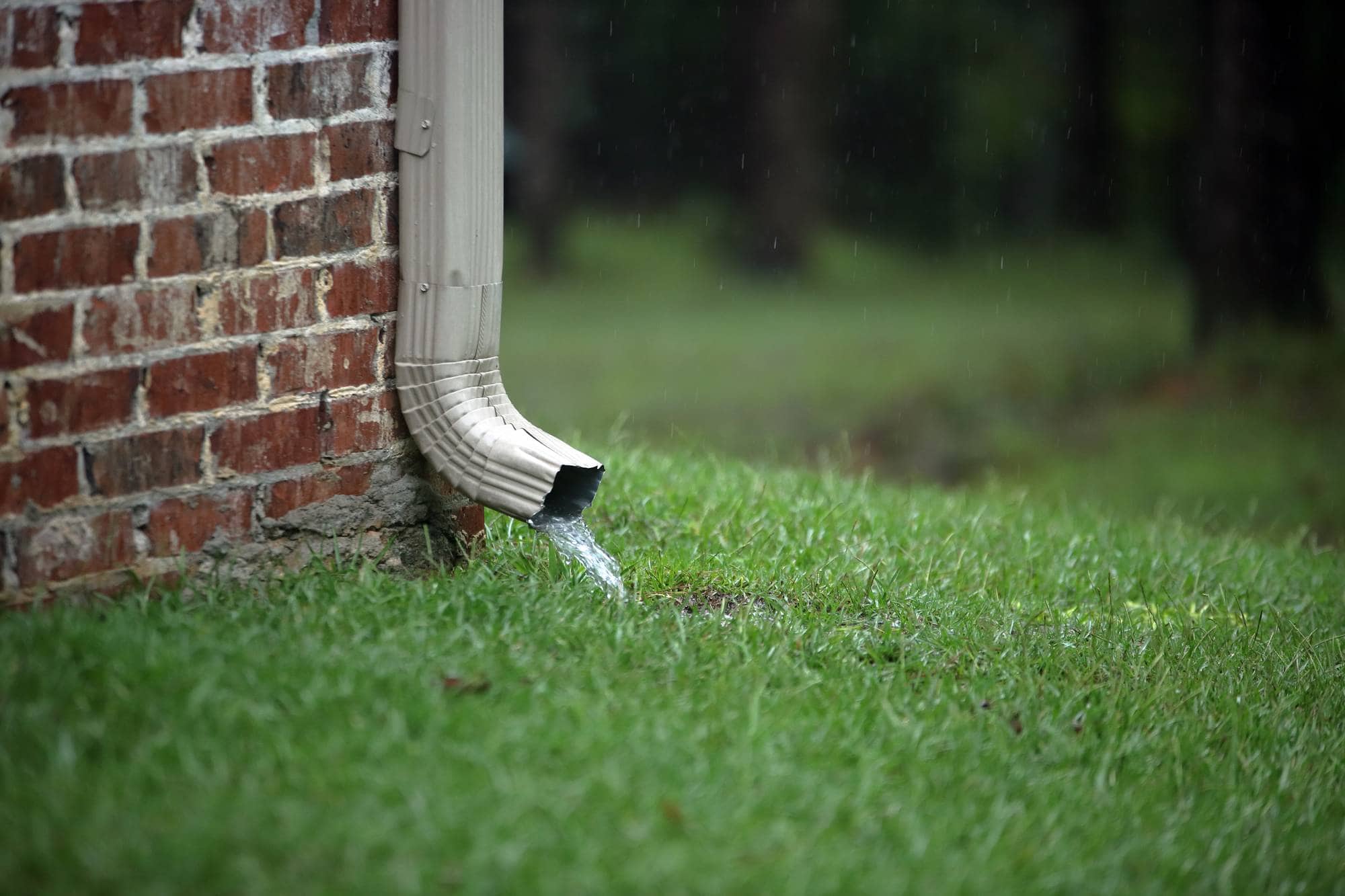
Preventing these issues starts with ensuring proper drainage around your home. Here are some steps you can take to protect your basement:
1. Maintain Gutters and Downspouts: Regularly clean your gutters to prevent blockages and ensure that downspouts direct water five to ten feet away from your foundation.
2. Install a Sump Pump: If the water table around your foundation is too high and water enters hydrostatically, a sump pump can help remove water that accumulates in your basement or crawlspace.
3. Create Proper Grading: Ensure that the ground around your home slopes away from the foundation to direct water away from your house. In a perfect world, the ground should drop 6 inches for every 10 feet away from the structure.
4. Install a Drainage System: Downspouts can easily be buried and drain to a drywell. If that’s not enough, you might consider installing a French drain or other drainage systems to help redirect water away from your foundation. Crawlspaces may need a vapor barrier installed.
5. Regular Inspections and Maintenance: Conduct regular inspections of your home’s drainage system and address any issues promptly to prevent long-term damage.
By taking these preventative measures, you can protect your home from mold and rot, ensuring that it remains a safe and dry space for years to come.
We believe no one deserves to live in fear of their home making them sick – at Reliable Remediation we help people find peace of mind by restoring the health and safety of their home after water, fire, and mold damage.