Why Water is the Number One Enemy of Every Building
Sneaky Water [Enemy of Every Building]
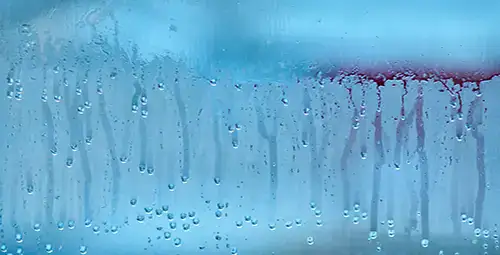
Water has a knack for finding its way into the smallest of crevices. Through cracks in walls, poorly sealed joints, or compromised roofing, water infiltrates structures, bringing moisture along with it. Once inside, moisture sets the stage for a host of problems,including mold growth, rotting of wood, and corrosion of metal components.
Mold and Bacteria
Stagnant water and damp environments create the perfect breeding grounds for mold and bacteria. Mold spores are everywhere and they thrive in moist conditions, growing rapidly within the walls, ceilings, and hidden areas of a structure. Not only is mold unsightly and musty smelling, but it also poses serious health risks, triggering allergies, respiratory problems, and even infections. Similarly, bacteria find moisture-rich environments conducive to their growth, contributing to indoor air quality issues and potential health hazards for occupants.
Expansion and Contraction
Water absorption and subsequent drying can cause materials to expand and contract with changes in temperature. This repeated thermal cycling stresses the material, leading to cracking, warping, and loss of structural integrity. In roofing materials, for example, thermal cycling can lead to the formation of cracks and gaps, allowing water to penetrate and cause further damage.
Long-Term Problems [Enemy of Every Building]
The effects of water damage often accumulate over time, gradually compromising the structural integrity of a building. What may seem like minor water intrusion or dampness today can escalate into major structural issues tomorrow if left unaddressed. Regular maintenance and proactive measures are essential to mitigate the long-term effects of water damage
Freeze-Thaw Cycle
In cold-weather regions with fluctuating temperatures (like New England), water can wreak havoc through the freeze-thaw cycle. When water seeps into cracks and pores within a structure and subsequently freezes, it expands, exerting immense pressure on the surrounding material. Over time, this cycle can lead to cracks, spalling, and disintegration of concrete, brick, and stone.
Water Pressure
Groundwater exerts hydrostatic pressure against below-grade structures such as basements and foundations. As water accumulates in the soil surrounding a building, it applies pressure on the walls and floors below ground level. This hydrostatic pressure can cause structural damage, including cracks and inward bowing of walls, compromising the stability of the entire building.
Water can appear harmless, but it can also be a difficult opponent. It’s natural to worry when you discover water in places where it doesn’t belong – from leaking pipes, a hole in your roof, and especially if it has caused mold. If you find yourself dealing with moisture, water intrusion, or mold damage – Remember, we’ve helped 100’s of people in Eastern Connecticut (just like you), restore the health and safety of their property from water and mold damage.

At Reliable Remediation, we believe no one deserves to live in fear of their home making them sick.