Tackle Mold in Three Important Steps (and TWO things to avoid)
Have you ever walked into your basement and been overwhelmed by a musty odor? Or perhaps you’ve moved a piece of furniture, opened a seldom-used closet, or inspected behind the drapes and stumbled upon an unsettling discovery: mold. And what about that bathroom?
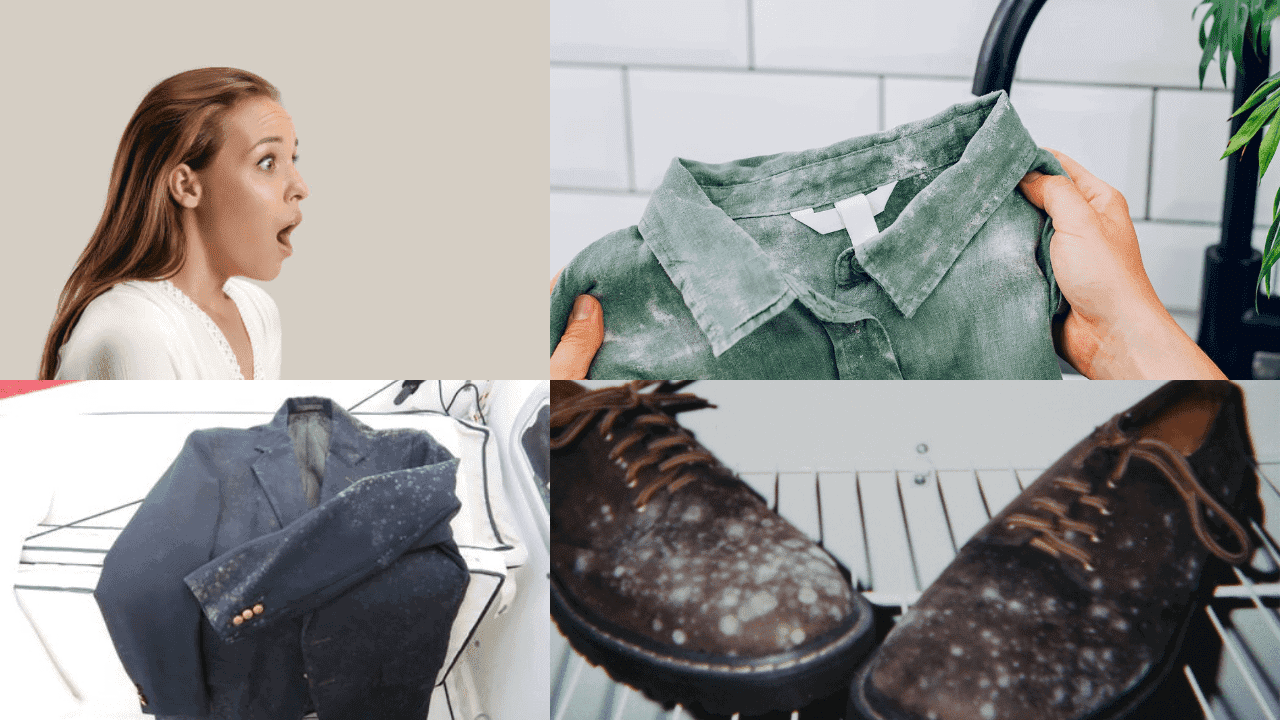
When you find mold in your home, it can be alarming, particularly if you have elderly individuals or children – groups highly sensitive to mold-related health issues. It’s essential to take immediate action to address the issue and prevent it from spreading. Here are three things to help you navigate these murky waters.
Mold is ALWAYS a Moisture Problem
1. Identify and Address the Source:
- Mold thrives in moisture-rich environments. Your first task is to determine the source of moisture: Identify and address the source of moisture that is feeding the mold. This could be a leaky roof, plumbing issues, high humidity, or poor ventilation.
- Fix any water-related problems: If you discover a leak or water intrusion, fix it as soon as possible to prevent further moisture buildup.
2. Isolate and Eliminate Affected Materials:
- Isolate the affected area: Prevent the mold from spreading to other parts of your home by sealing the impacted area using plastic sheeting and duct tape.
- Wear protective gear: When handling mold, wear personal protective equipment, including gloves, a mask, and goggles to avoid exposure to mold spores.
- Remove and dispose of contaminated materials: Remove and discard materials that cannot be effectively cleaned, such as drywall, insulation, or carpeting. Bag these materials securely in plastic bags and dispose of them properly. Clean any salvageable items with mold growth using appropriate cleaning methods.
3. Clean and Remediate:
- Clean the affected surfaces: Use appropriate cleaning solutions and methods to clean the mold-infested areas. A solution of water and detergent can be used for non-porous surfaces, but for porous materials like wood and drywall, it may be necessary to consult a professional or consider replacement.
- Disinfect and prevent regrowth: After cleaning, disinfect the area with a solution of water and bleach or an approved mold-killing product to help prevent regrowth. Meticulously dry the area to keep moisture at bay.
- Monitor and prevent future mold growth: Regularly inspect the previously affected area for signs of mold regrowth. Address any ongoing moisture problems and improve ventilation if necessary to prevent future mold issues.
Two Things to Avoid
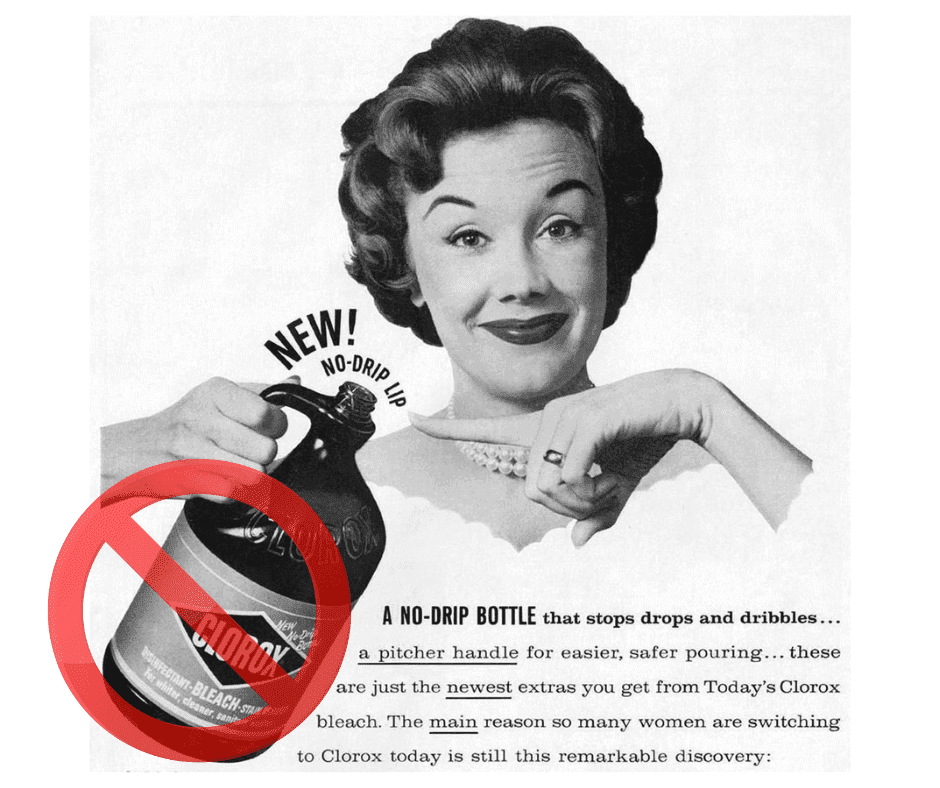
1. Bleach
- The chemical properties of bleach prevent it from effectively penetrating porous surfaces such as wood, sheetrock, grout, and concrete.
- Chlorine Bleach is NOT EPA-endorsed as a disinfectant to kill mold.
2. “Mold – Killing” Paint
- Despite the promising label, These products only offer mold resistance when wet and perform comparable to regular paint after drying. These types of products are designed to prevent mold and/or mildew from forming and contaminating the primer film before the topcoat is applied. Mold and mildew-resistant coating*
*This product contains a mildewcide to prevent the growth of mold & mildew on the paint film only. - NOTE: Most encapsulants and “mold killing” paints are only antimicrobial while wet and don’t provide resistance to growth any more than normal paint.
It’s important to note that for extensive mold infestations or if you have health concerns related to mold exposure, it’s advisable to consult with a professional mold remediation specialist. They have the expertise and equipment to safely and effectively address severe mold problems. Additionally, if you or others in your household experience health issues related to mold exposure, consult a healthcare professional.
At Reliable, we believe that no one should live in fear of their home compromising their health. we’re committed to reinstating the comfort of your home, safeguarding it against water, fire, and mold damage, and restoring peace of mind. We believe no one deserves to live in fear of their home making them sick – at Reliable we help people find peace of mind by restoring the health and safety of their home after water, fire, and mold damage.