The “48-Hour Window” is a pivotal period for every homeowner dealing with water damage.
This guide outlines how mold can begin to grow within just two days, turning a manageable problem into a costly and unhealthy disaster. We will walk you through the essential steps for proactive prevention, emphasizing how a swift, professional response is your best defense against mold. This is not just about cleaning up a mess – it’s about restoring the health and safety of your home and finding true peace of mind.
At Reliable Remediation, we are your guiding experts, and we believe that swift, professional action within that critical 48-hour window is the key to protecting your home and your family. We help people find peace of mind by restoring the health and safety of their property. Here’s how we work within that tight timeframe to stop mold before it starts.
The Problem: Time is Ticking
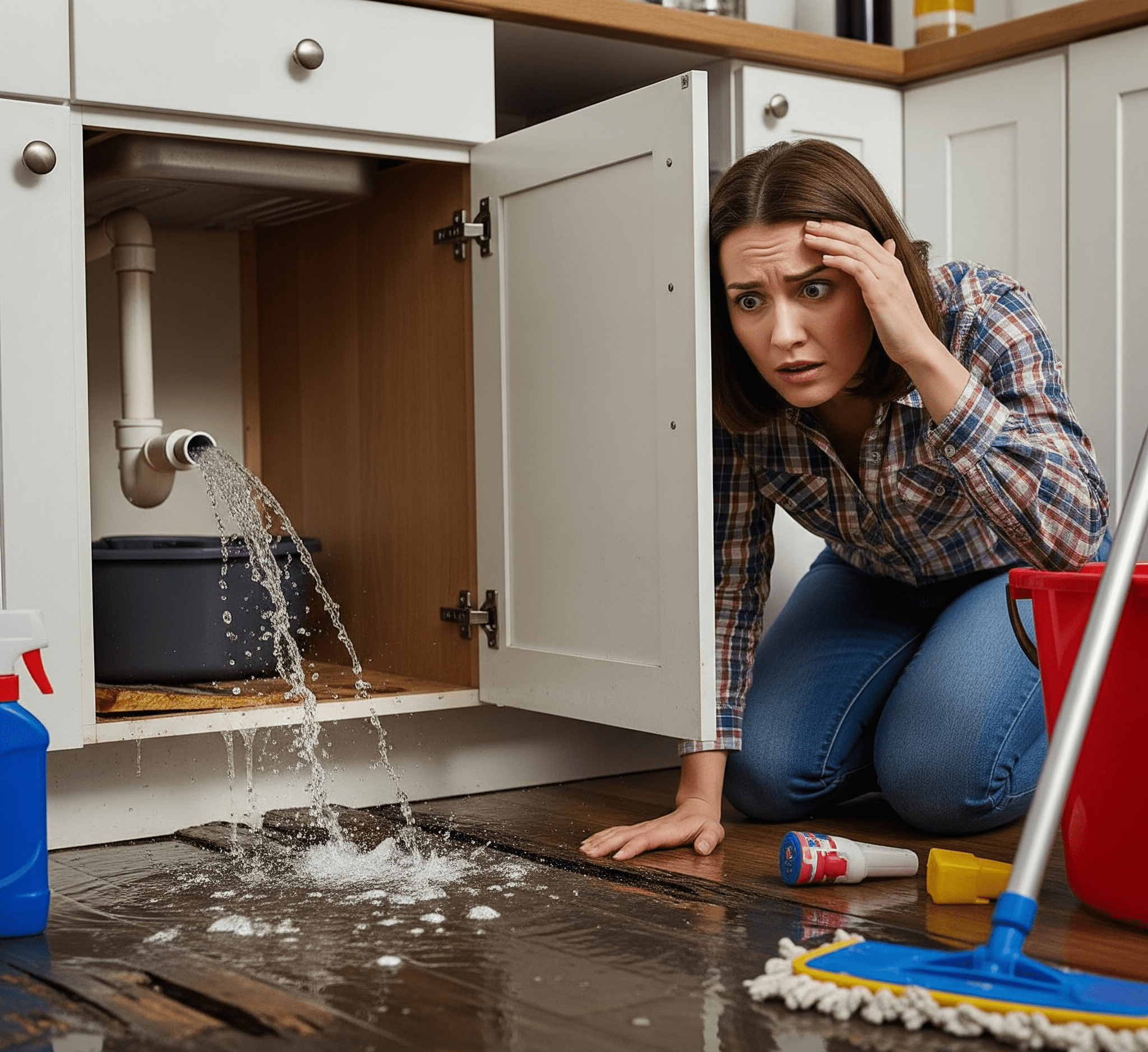
You can see the visible signs of a leak – a puddle on the floor, a soaked ceiling, or dripping pipes. But what you can’t always see is the moisture that’s quickly saturating porous materials like drywall, insulation, wood, and subfloors. Even a minor leak can lead to a significant problem, as a small amount of moisture is all that’s needed for mold spores to activate and begin to colonize.
Think of it like this, that patch of water damage is just the tip of the iceberg. The real problem is the invisible moisture that’s spreading beneath the surface. Without professional intervention, this hidden moisture becomes a breeding ground for mold, creating a musty odor that signals a problem is brewing. When we talk about how to prevent mold after water damage, every single hour counts.
This is why simply putting a fan on a wet area is never enough. The air movers and fans you have at home can’t penetrate deep into building materials to extract all the moisture. They might dry the surface, but the hidden water remains, ready to fuel mold growth. This is the critical difference between a DIY attempt and professional water damage mitigation.
The Path to Peace of Mind: A Proven 3-Step Process
Our process is designed to act fast and think clearly under pressure. Our simple 3-step plan ensures every step is taken to protect your property and your health.
Step 1: Immediate Assessment (The Call)
The first step to stopping mold is to make the call. When you contact us, you’re not just reaching a company – you’re reaching a local, family-owned business in Windham County that is also nationally certified and insured. We know the area and the specific challenges homeowners in Eastern CT face.
Our immediate response is crucial. When a client in Brooklyn, CT, found their water heater spraying steam, we were there immediately to stabilize the situation. This rapid response is what prevents a water disaster from becoming a mold disaster. During this initial assessment, we don’t just look for what’s wet; we use specialized tools like moisture meters and thermal imaging to precisely locate every area of moisture intrusion, even those hidden behind walls. This helps us get a complete picture of the problem and stops us from missing anything that could lead to mold.
Step 2: Water Mitigation & The Plan of Action (The Evaluation)
Once we’ve identified the full extent of the water damage, we get to work on the most critical phase: water mitigation. Our goal is to extract all the standing water and begin the drying process as quickly as possible, well within that 48-hour window before mold takes hold.
We use professional-grade equipment that is far more powerful than anything you can rent or buy. This includes high-powered water extraction services to remove the bulk of the moisture and industrial-strength dehumidifiers and air movers that create a controlled drying environment. This is a scientific process, not a guessing game. We monitor humidity and moisture levels constantly to ensure all materials, from the subfloor to the drywall, are completely dry. We also utilize professional heat drying to expedite the process in specific situations.
During this stage, we also address the underlying cause of the water damage. As a guiding expert, we work closely with plumbers, general contractors, and other tradesmen to make sure the root problem – like a burst pipe – is fixed. This is what truly ensures that the mold won’t come back.
When a family in Plainfield, CT, discovered mold in their bathroom after a previous water issue, it was because the underlying moisture source was never fully addressed. Our team was able to go in and remove the mold because we knew how to prevent mold after water damage by first eliminating the source.
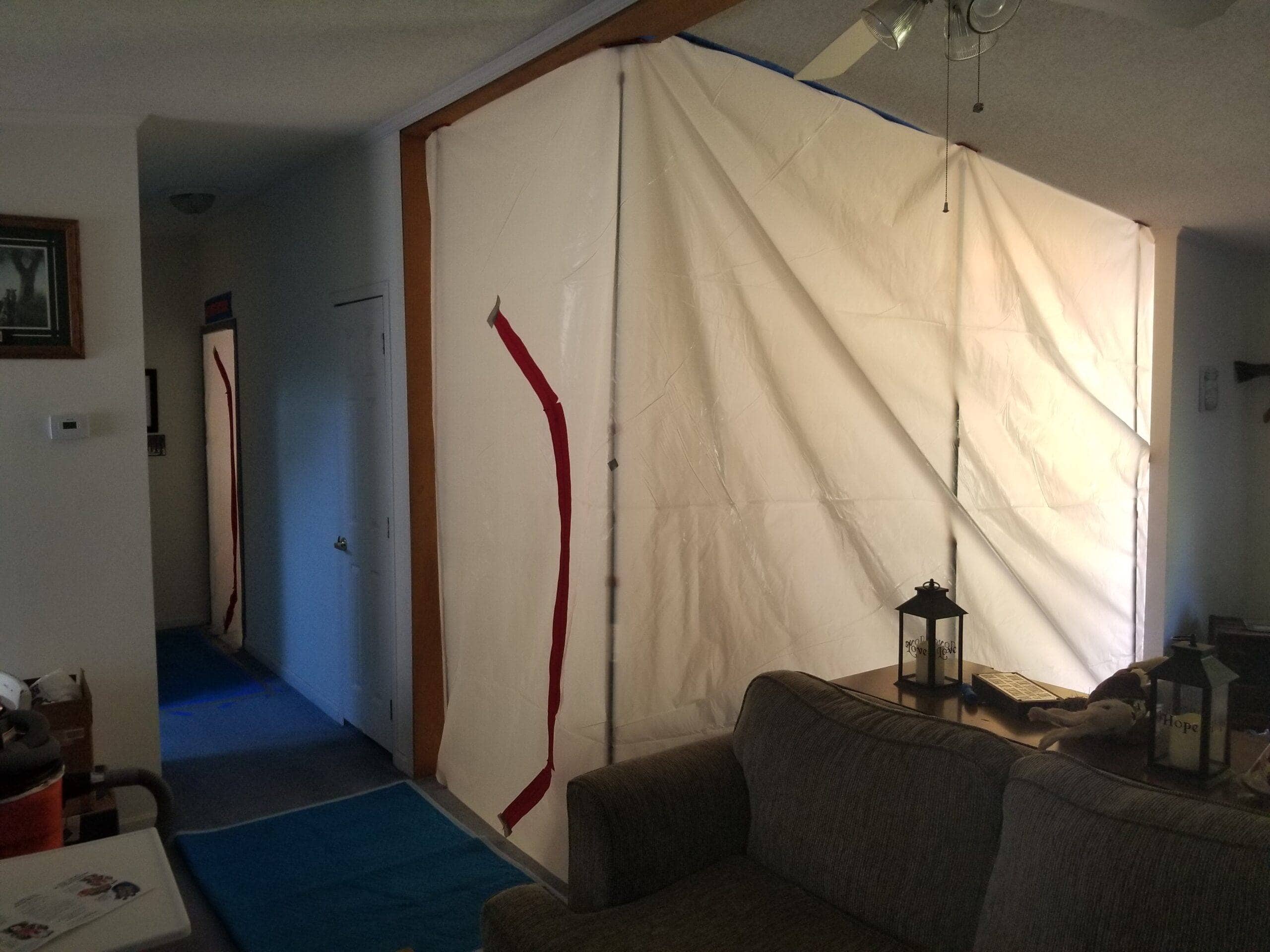
Our process also includes a plan to protect your belongings and home. We set up containment barriers to prevent cross-contamination, ensuring that mold spores don’t spread to unaffected areas of your home during the cleanup.
Step 3: Comprehensive Restoration & Peace of Mind (The Solution)
The final step is restoration, and it’s where we turn a disaster into a healthy home again. This phase goes beyond simply drying things out; it’s about a complete cleanup and sanitization to ensure your home is truly safe.
This is where we address a common misconception. We never talk about “killing” mold because that’s an inadequate and incomplete solution. On porous materials like wood or drywall, bleach cannot reach the root of the mold, leaving behind allergens and toxins that can still cause health issues. Instead of a quick fix, we physically remove the contaminated materials. Our process for mold removal includes HEPA vacuuming, scrubbing, and sanitizing all affected surfaces.
Our job isn’t done until we have restored the health and safety of your property. We help you with every step, from providing detailed documentation for insurance companies to recommending trusted partners for any necessary rebuild. This commitment to your success is why clients, like Alison L., an out-of-state property owner, trust us to communicate clearly with their tenants and deliver a complete, fast restoration.
Choose The Right Guide
The 48-hour window is a critical time for your home. Don’t let fear or a frustrating experience with an insurance company’s “preferred vendor” lead to a more significant problem. Your home is your sanctuary, and you deserve a reliable, local expert who will put your family’s health and safety first.
By choosing an independent contractor like Reliable Remediation, you are getting an advocate who has your best interests at heart. We provide a fair, honest assessment and a comprehensive plan to ensure your home is clean, dry, and safe. That’s the path to true peace of mind.
If you’ve experienced water damage in Eastern CT or Windham County, the clock is ticking.
Call us for an evaluation today!

We believe no one deserves to live in fear of their home making them sick – at Reliable Remediation we help people find peace of mind by restoring the health and safety of their home after water, fire, and mold damage.
Your Questions, Answered: FAQs About Mold Prevention & Remediation
It’s completely normal to have a lot of questions when you’re facing water damage or worried about mold. Here are some of the most common questions we hear, with straightforward answers to help you feel more informed and less overwhelmed.
Q: How quickly does mold grow after water damage?
A: Mold can begin to grow within as little as 24 to 48 hours after a water intrusion event. That’s why a quick, professional response is crucial. The faster you act, the greater the chance of preventing mold growth and minimizing the damage to your home and belongings.
Q: Can I just dry out the area myself with fans?
A: For very small, contained spills, possibly. However, for anything more significant, relying solely on household fans is risky. Professional water damage restoration involves specialized equipment like industrial-grade dehumidifiers and air movers that remove moisture much more effectively from building materials, even in hidden areas. DIY drying often leaves residual moisture, which is an open invitation for mold growth.
Q: Is mold covered by homeowners insurance?
A: The answer is: it depends on your policy and the cause of the water damage. Generally, mold is covered if it’s the result of a sudden and accidental event (like a burst pipe). However, damage from floods or long-term neglect (a slow, unnoticed leak) may not be covered. It’s best to contact your local insurance agent directly as your first step after securing your property.
Q: What’s the difference between water mitigation and water damage restoration?
A: Water mitigation is the immediate action taken to prevent further damage after a water intrusion, such as water extraction and drying. Water damage restoration is the entire process of repairing and rebuilding your property to its pre-damage condition, which includes the mitigation steps and all necessary repairs. We handle both, ensuring a complete path back to a healthy and safe property.
Q: How do I know if there’s mold after water damage?
A: You may see it (fuzzy, discolored spots) or smell it (a musty, earthy odor). However, mold often hides behind walls, under flooring, or in ceiling cavities. If water damage has occurred and the area wasn’t dried completely, there’s a high probability of mold. If you suspect mold or are experiencing ongoing health issues, it’s wise to get a professional assessment.
Q: Why is using bleach on mold not recommended?
A: Bleach is an inadequate solution because it only kills surface mold on non-porous materials and can’t penetrate to the root on porous surfaces like drywall or wood. It also adds moisture, which can make the problem worse. The only effective method is physical removal of all mold and contaminated materials by a professional.
Q: How can I improve ventilation to prevent mold?
A: Proper ventilation is a key aspect of controlling humidity and preventing mold. You can improve it by using exhaust fans in bathrooms and kitchens, opening windows on dry days for air exchange, and using ceiling fans. For tight spaces, like closets or behind furniture, leaving a few inches of space can help air circulate and prevent moisture from getting trapped.