Discovering water damage can feel like a punch to the gut. Mold isn’t just unsightly – it can impact your health and your home’s safety. Whether you’ve just handled a moisture issue or want to make sure you never have to, this proactive guide walks you through the essentials to stop mold growth before it starts. 💪
If you’re wondering how to prevent mold after water damage in your Eastern CT home – or you’re just worried about a damp basement—this checklist is for you. Reliable Remediation empowers homeowners with practical steps and professional insight so you can breathe easy again.

✅ The Ultimate Mold Prevention Checklist
That first moment of finding water can trigger anxiety: Is my family safe? How much will this cost? Totally valid. Mold thrives in damp, poorly ventilated areas, and once it sets in, removing it can be time-consuming and expensive. The good news? Prevention is simpler—and more affordable—than remediation.
1 Control Humidity Year-Round
High humidity is the #1 contributor to indoor mold.
• Keep indoor humidity between 30–50% (aim ~45% in summer).
• Use a hygrometer to monitor levels.
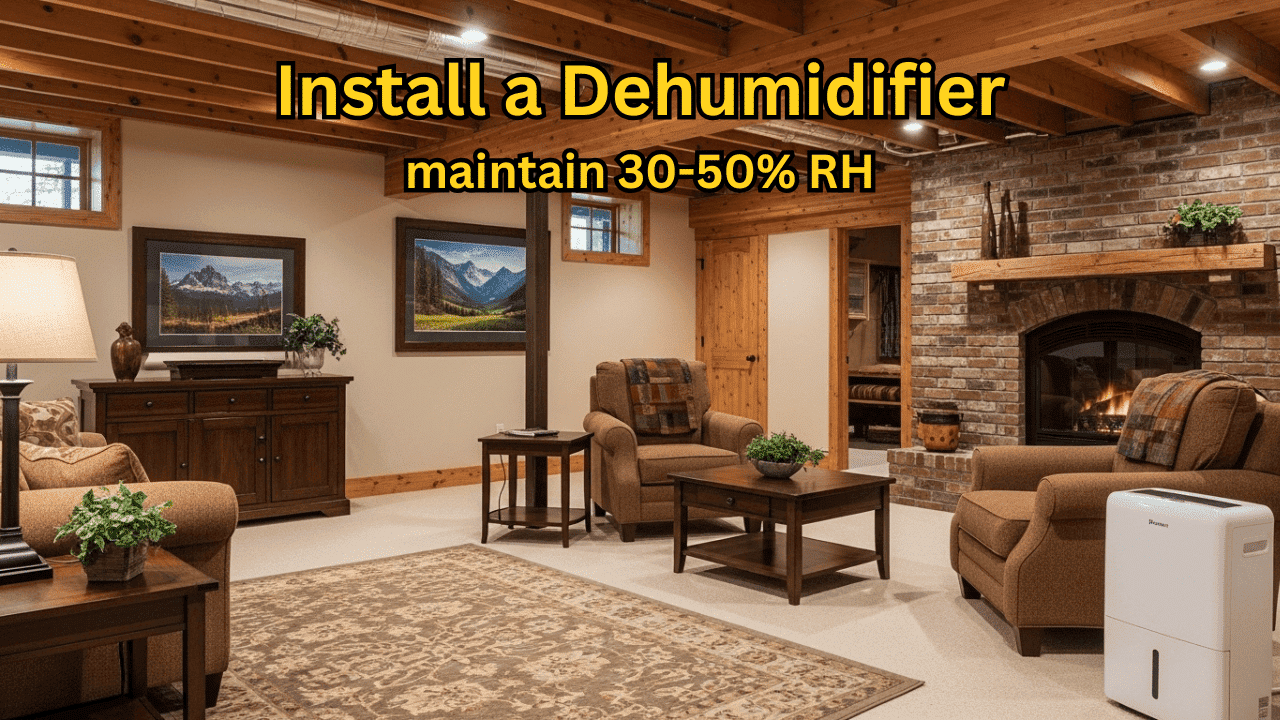
• Run a dehumidifier in damp zones—basements & crawl spaces.
Pro Tip: Run bathroom fans 15–30 minutes after showers. Install a timer switch so you don’t forget. 🚿
2 Prevent Mold in the Basement
Basements are especially vulnerable because they’re below grade.
• Seal foundation cracks to stop seepage.
• Improve drainage: install & clean gutters; extend downspouts away from the foundation.
• Add a dehumidifier to keep RH in range.
• Store items in plastic bins rather than cardboard.
Bonus: After water damage, dry all affected materials within 24–48 hours and use fans + dehumidifiers to pull moisture fast.
Step-by-step guide: https://reliableremediation.com/steps-to-take-after-discovering-water-damage-in-your-eastern-ct-home/
✅ The Ultimate Mold Prevention Checklist
That first moment of finding water can trigger anxiety: Is my family safe? How much will this cost? Totally valid. Mold thrives in damp, poorly ventilated areas, and once it sets in, removing it can be time-consuming and expensive. The good news? Prevention is simpler—and more affordable—than remediation.
3 Improve Ventilation in Key Areas
Good airflow prevents condensation and stagnant air pockets—prime mold territory.
• Install/use exhaust fans in bathrooms, kitchens, and laundry rooms; let them run 15–20 minutes after use.
• Crack windows on dry, low-humidity days for fresh air exchange.
• Use ceiling fans to keep air moving in living spaces.
• Trouble zones (closets/attics)? Add passive vents or louvered doors for circulation.
Concerned about hidden moisture? Consider mold testing: https://reliableremediation.com/mold-testing/
4 Use Smart Furniture Placement
Mold can grow behind furniture pressed tight to walls.
• Leave at least 2 inches between furniture and walls.
• Avoid packing bulky items into corners.
• Vacuum and dust behind furniture monthly—dust feeds mold! 🧹
5 Stay on Top of Moisture Control
Fix leaky pipes, roofs, and faucets ASAP.
Insulate cold pipes to reduce condensation.
Check under sinks and around windows for dampness.
If you’re dealing with a leak or spill now, our water damage team can help: https://reliableremediation.com/water-damage/
6 Let Tech Do the Watching
Smart leak detectors send alerts when water is detected.
Place humidity sensors in vulnerable rooms.
HEPA air purifiers can capture airborne mold spores (they don’t remove existing growth, but they help air quality).
Not sure when to DIY or call a pro? Read: https://reliableremediation.com/mold-removal-diy-vs-pros-eastern-ct/
Final Thoughts: Prevention is Power
By following this mold prevention checklist, you’ll protect your Connecticut home, your health, and your peace of mind. From controlling humidity in the house to improving ventilation and investing in proactive tools, you’re taking the right steps to stop mold growth before it starts.
We believe no one deserves to live in fear of their home making them sick – at Reliable Remediation we help people find peace of mind by restoring the health and safety of their home after water, fire, and mold damage.

Your Questions, Answered: FAQs About Mold Prevention & Remediation
It’s completely normal to have a lot of questions when you’re facing water damage or worried about mold. We get it. Homeowners in Eastern CT often have similar concerns. Here are some of the most common questions we hear, with straightforward answers to help you feel more informed and less overwhelmed.
Q1: How quickly do I need to act after discovering water damage?
As quickly as possible! Time is your biggest enemy here. Mold can start to grow within 24–48 hours. The faster you call for professional water mitigation and extraction services, the less damage your home will sustain, and the lower the overall cost of repair. Don’t delay!
See Water Damage FAQs
What to Do First: Steps to Take After Discovering Water Damage
Q2: Will my homeowner’s insurance cover water damage restoration?
This is a common question, and the answer is: it depends on your policy and the cause of the water damage. Generally, sudden and accidental water damage (like a burst pipe or washing machine overflow) is covered. However, damage from floods (which usually requires separate flood insurance) or long-term neglect (like a slow, unnoticed leak) may not be.
We can help you understand the process and provide detailed documentation for your claim, but it’s always best to contact your local insurance agent directly as your first step after securing safety. Learn more about our water damage restoration services.
Q3: What’s the typical cost for water damage repair or cleanup?
It’s tough to give an exact number without seeing the damage, as every situation is unique. The cost for water damage cleanup and water damage repair depends on several factors: the category of water (clean, gray, black), the extent of the damage, the type of materials impacted, and whether mold remediation is also needed.
We provide a transparent, personalized plan based on actual findings after our assessment, ensuring fair value and a clear understanding of the investment needed to restore your home safely.
Explore ranges:
Water Damage Repair Cost
Mold Remediation Cost
Q4: Can I just dry out the area myself with fans?
For very small, contained spills, possibly. However, for anything more significant than a small puddle, relying solely on household fans is risky. Professional water damage restoration involves specialized equipment like industrial-grade dehumidifiers and air movers that remove moisture much more effectively from building materials, even in hidden areas.
DIY drying often leaves residual moisture, which is an open invitation for mold growth and future health issues. To truly ensure a healthy and safe home, especially with basement water damage or ceiling water damage, professional water damage remediation is crucial.
Q5: How do I know if there’s mold after water damage?
Sometimes you can see it (fuzzy, discolored spots) or smell it (a musty, earthy odor). However, mold often hides behind walls, under flooring, or in ceiling cavities. If water damage has occurred and the area wasn’t dried completely and quickly, there’s a high probability of mold.
If you suspect mold or are experiencing ongoing health issues since the water event, it’s wise to get a professional mold inspection. We prioritize getting to the root cause to ensure your home is truly healthy. Learn more about our mold remediation services.
Ready to take that first crucial step towards a dry, healthy home?
Call Reliable Remediation for an Evaluation today!
📞 860-560-1930
💻 Request an Evaluation online: https://reliableremediation.com/contact-us/