What Is a Furnace Puffback and How Is the Smoke Damage Cleaned?
A furnace puffback is an unexpected misfire in an oil-fired or gas heating system that occurs when unburned fuel builds up in the combustion chamber and ignites abruptly. This misfire acts like a mini-explosion, pushing oily soot, toxic smoke, and burnt petroleum odors throughout your heating ducts and into your living areas. Professional furnace puffback cleanup CT homeowners trust requires specialized soot extraction, chemical sponge wipe-downs, and deep structural deodorization. Attempting ordinary cleaning with wet rags or household soap will only smear the oily soot deeper into porous walls and ceilings. This guide explains how winter puffbacks happen, why standard cleaning worsens furnace soot damage, how the restoration process works, and why your cleanup may be covered by homeowners insurance.
The Shock of Waking Up to Soot in Your Home
Your home is your sanctuary, the warm and welcoming place where your family should feel protected from harsh New England winters. Whether you live in a historic home in Woodstock, a classic colonial in Tolland, or a family residence in Norwich, you count on your heating system to keep your property comfortable during freezing temperatures.
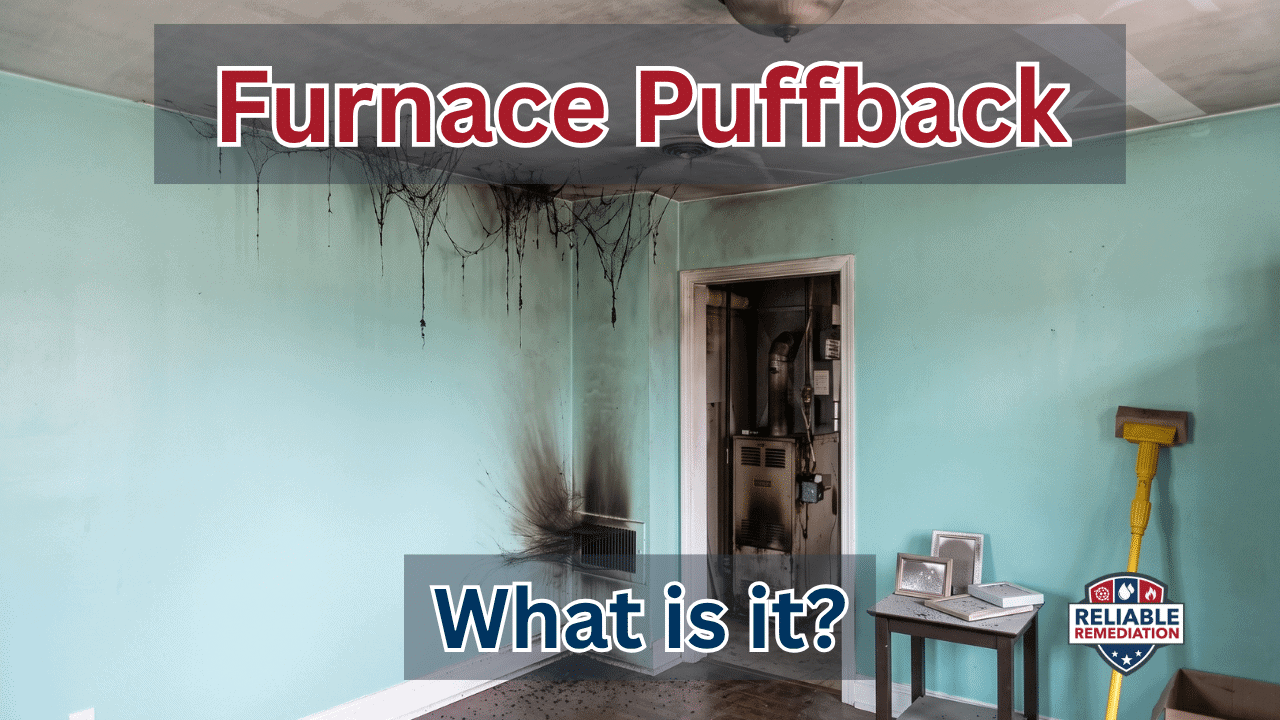
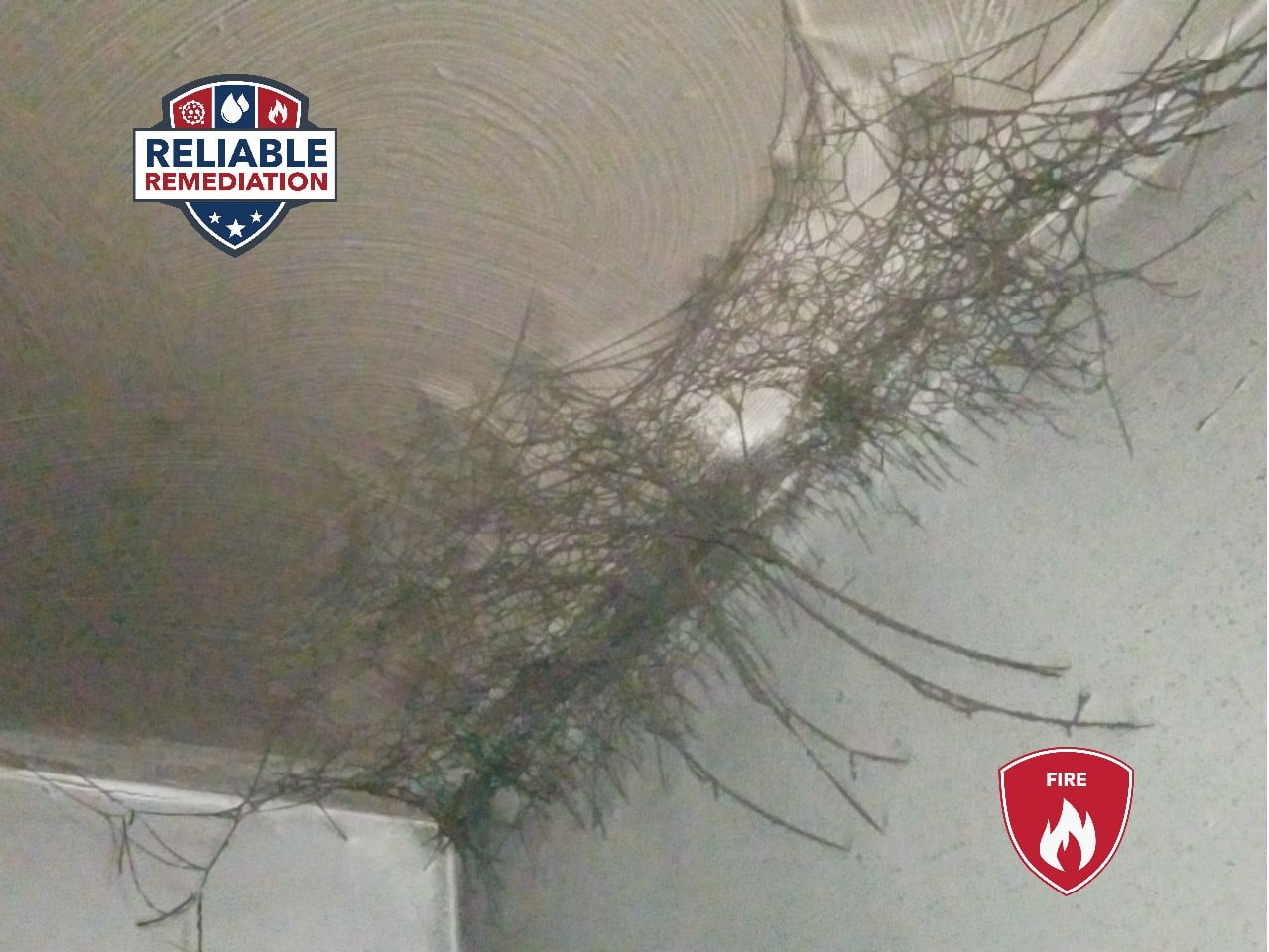
Waking up on a freezing morning to a loud thumping noise in the basement, a foul fuel oil odor, and a blanket of black soot across your living room feels like a punch to the gut. Black cobweb-like soot tags cling to ceiling corners, greasy dust coats your furniture, and every surface feels slippery to the touch. The sudden mess creates immediate anxiety. Is the air safe for my children to breathe? Are our rugs and curtains ruined? How much is this going to cost?
The biggest hurdle for most homeowners is the fear of being taken advantage of by pushy contractors who use scare tactics to inflate repair bills. You deserve honest guidance from trusted local guides who care about your family's safety and well-being.
What Causes an Oil Burner Puffback During Cold Weather?
During freezing winter weather across Windham, Tolland, and New London counties, heating systems work overtime. When an oil furnace or boiler operates normally, fuel enters the combustion chamber as a fine mist and ignites instantly. However, if the burner develops a mechanical issue, raw heating oil can pool at the bottom of the chamber before lighting.
Common mechanical triggers include:
When the burner finally sparks, it ignites the pooled fuel all at once. The resulting pressure wave travels through the exhaust pipe and forced-air ductwork, blowing black soot into every room. Navigating an oil burner puffback cleanup requires treating both the visible residue and the microscopic particles floating in your indoor air.
Why Household Cleaners Make Furnace Soot Damage Worse
When homeowners discover soot covering their walls and counters, their first instinct is often to grab household sprays, all-purpose cleaners, and wet sponges. This is a critical mistake that causes permanent damage.
Puffback residue is not dry wood ash. It is an oily, greasy, acidic petroleum byproduct. When water or liquid cleaners touch oil-based soot, the moisture activates the chemical binders in the soot. Wiping with a wet cloth forces the greasy film into the microscopic pores of painted drywall, finished wood, and textured plaster. What could have been safely removed as a dry residue turns into a smeared, indelible black stain that bleeds through new coats of paint.
Certified restoration specialists use specialized dry chemical sponges (chem sponges) to lift dry soot out of surfaces without liquid. After dry lifting the bulk soot, technicians use commercial degreasers, HEPA-filtered vacuums that capture microscopic soot particles down to 0.3 microns, and comprehensive Smoke Damage restoration protocols to clean structural elements safely.
Insurance Coverage and Original Project Photos
Because a furnace puffback is typically classified as a sudden and accidental event, most Connecticut homeowners insurance policies provide coverage for the cleanup and soot remediation. Unlike gradual wear and tear, a puffback is an unexpected mechanical misfire.
Before touching anything, documenting the entire scene with clear, original project photos is essential. Taking high-resolution photos of the heating unit, exhaust piping, ceiling tags, discolored furniture, and affected ductwork provides the undeniable evidence your insurance adjuster needs to process your claim fairly. Reliable Remediation always documents original project photos during site visits to give homeowners the evidence needed to advocate for proper restoration. We recommend speaking directly with your local insurance agent to confirm your specific deductible and policy coverage terms.
To explore how similar complex property emergencies are resolved from start to finish, you can review our recent Disasters Fixed case studies.
Your Trusted Local Guides to Reclaiming Peace of Mind
At Reliable Remediation, the goal is to help Eastern Connecticut homeowners turn sudden winter property disasters into clean, healthy living spaces. Based in Brooklyn, CT, Reliable Remediation works solely for the property owner, maintaining complete independence from insurance preferred vendor networks.
Instead of high-pressure sales pitches disguised as free estimates, Reliable Remediation offers a dedicated smoke damage evaluation. A certified technician inspects the furnace area, duct system, and living spaces to document the full scope of damage and provide a detailed written photo report. When professional remediation is required and you choose Reliable Remediation for the project, 100% of the evaluation fee is credited directly back to your final invoice.
To ensure your indoor air smells completely clean and free of petroleum odors, technicians deploy professional thermal fogging and hydroxyl systems for complete Odor Elimination.
Reliable Remediation backs every restoration project with written guarantees: