How Do You Fix Attic Mold in Connecticut Homes?
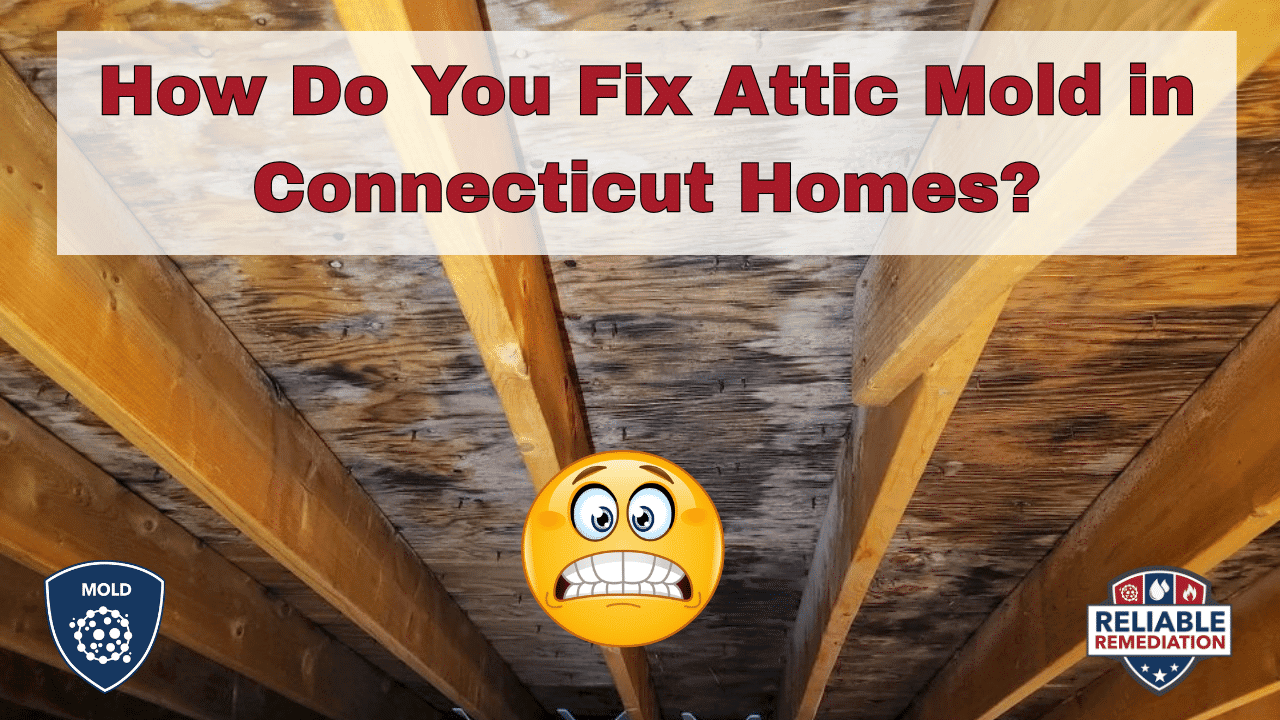
If you have spotted dark staining on your rafters or discovered fuzzy growth on your roof sheathing, you are likely wondering: how do you fix attic mold in Connecticut homes? The direct answer is that permanently fixing attic mold CT homeowners face requires a two-step process: first, you must identify and correct the underlying attic moisture problems, and second, you must physically remove the mold according to national safety standards. Simply spraying chemicals or fogging the area is not enough because dead mold spores can still cause health issues. This guide will walk you through the common causes of attic condensation, how these issues are discovered during home inspections or winter months, and how to safely restore your home so you can breathe easy.
The Shock of Finding Mold in Your Attic
Your home is your largest financial investment and your family's safe haven. Whether you live in a historic Cape Cod in Tolland, a modern colonial in Glastonbury, or a raised ranch in Mansfield, you work hard to keep your property safe, dry, and healthy. For many CT homeowners, the attic is a place they rarely think about (until they head up to grab the holiday decorations in the winter or prep for a home sale).
Discovering a blanket of dark mold on your roof sheathing can feel like a punch to the gut. It immediately triggers a wave of worry and stress. Will this ruin my home's structural integrity? Will it cause a home inspection to fail and kill our real estate closing? Is my family breathing in bad air? The biggest hurdle is the fear of the unknown, along with the dread of dealing with pushy salespeople who try to use scare tactics to sell you expensive, unnecessary services. You deserve an honest, clear answer from trusted local guides who care about your family's health and budget.
Common Ways Attic Mold is Discovered in CT
Attic mold CT residents face is incredibly common, but because it is out of sight, it often grows silently for years. We typically see homeowners discover these issues in three specific ways:
- Winter Moisture, Frost, or Ice: During the freezing winter months in Connecticut, many homeowners head into the attic to retrieve or store holiday decorations. They might look up and notice frost on attic nails, wet wood sheathing, or even actual ice building up. This is a clear indicator of a serious humidity issue. Myth: Mold is growing in the attic during hot, humid months.
- Real Estate Home Inspections: When you are buying or selling a home in towns like Groton or Waterford, a licensed home inspector will always check the attic. Finding mold and moisture staining is one of the most common reasons home sales get delayed or renegotiated. This is a common problem that we assist realtors, buyers, and sellers with every day.
- Home Energy Audits: Many power companies in CT offer utility-sponsored energy audits. When technicians go into the attic to check insulation levels, they frequently spot suspicious discoloration and halt the audit until a certified specialist evaluates the area. We get calls about these energy audits at least once per week.
Understanding Attic Moisture Problems: The Root Causes
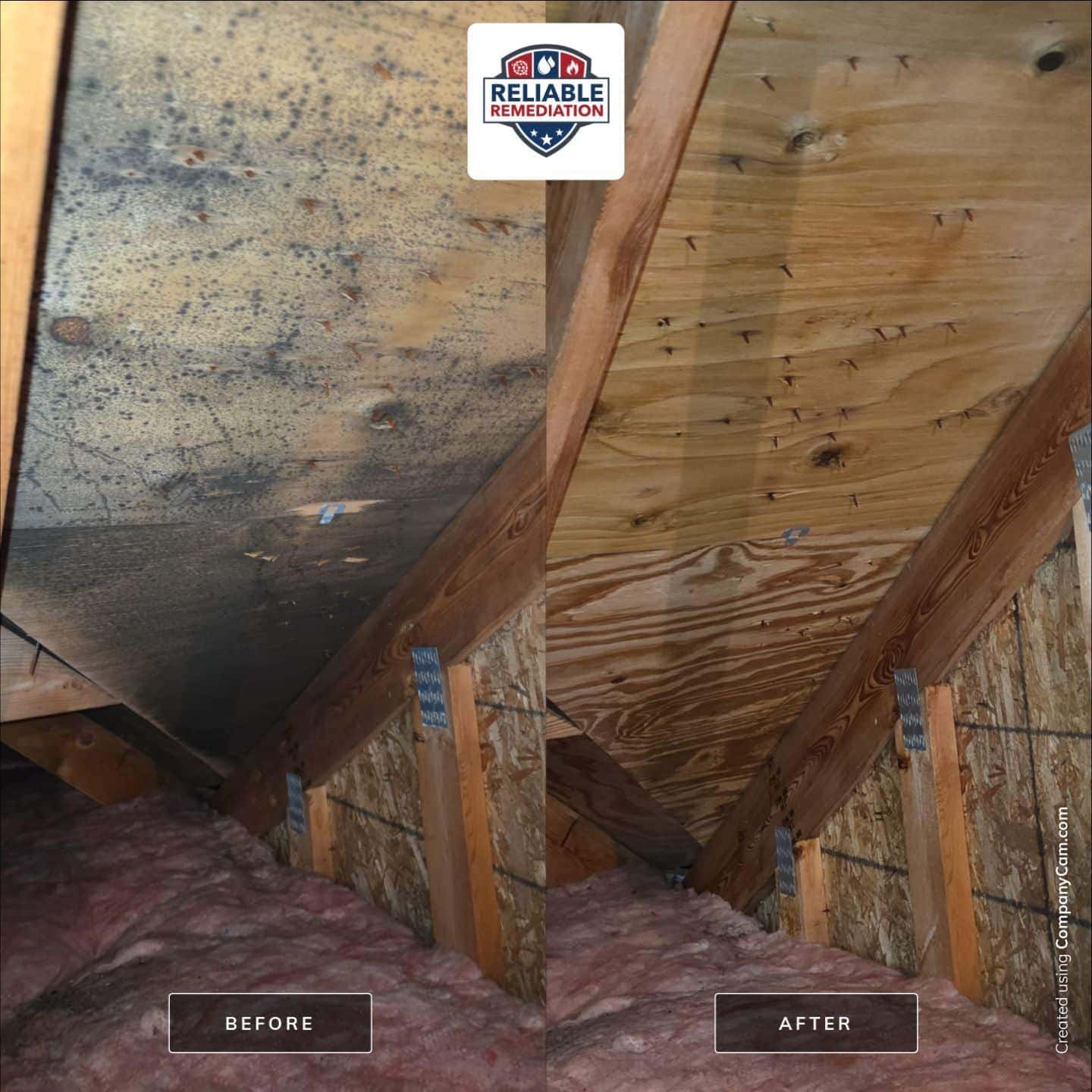
Mold is never the actual problem, it is always the result of an underlying water intrusion or moisture problem. Molds only need organic material (like your wood rafters) and moisture to grow. In Connecticut attics, that moisture usually comes from three main sources:
1) Inadequate Insulation and Gaps (Attic Bypasses)
This is the number one cause of attic mold CT specialists encounter. When warm air from your living space leaks into a cold attic during the winter due to inadequate insulation or gaps in the thermal barrier, it meets the freezing wood roof deck. This causes immediate condensation. These air leaks, often called attic bypasses, occur around light fixtures, attic hatches, chimneys, and plumbing pipes. Proper insulation is your first line of defense.
2) Unbalanced or Improper Attic Ventilation
The second major cause is poor ventilation. Your attic needs to breathe. Proper attic ventilation requires a balanced system of intake vents, usually under your soffits or eaves, and exhaust vents along your roof ridge. This balance allows cool, dry air to enter at the bottom and push warm, moist air out the top. If your soffit vents are blocked by fiberglass insulation, or if you do not have enough ridge venting, moisture gets trapped inside.
3) Improper Bathroom Fan Venting
The third primary cause is bathroom exhaust fans. Many older homes were built before modern building codes, or were updated by handymen who made a critical mistake: venting the bathroom exhaust fan directly into the attic space rather than routing it all the way out through the roof. When you take a hot shower in your Mansfield home, that fan sucks up gallons of warm, moist steam and dumps it directly into your cold attic. This moisture condenses on the cold wood sheathing, creating a perfect petri dish for mold.
Not sure what is driving the moisture in your attic? A science-based evaluation pinpoints the root cause before you spend a dollar on cleanup.
Your Trusted Local Guides to Reclaiming Peace of Mind
At Reliable Remediation, we act as your trusted local guides. We believe CT homeowners deserve a restoration company that works for you, not the insurance company. Many national franchise companies sign deals with insurance carriers, agreeing to cheap rates and rushed jobs just to keep receiving leads. We refuse to join those insurance networks. This independence lets us focus entirely on what is best for your home and your family.
We also do not offer fake free estimates that are actually high-pressure sales pitches designed to hit a monthly quota. Instead, we offer a $250 Paid Evaluation. This fee ensures you get our honest, unbiased expertise. We perform a complete on-site inspection of your attic using thermal cameras and moisture meters. Then, we give you a full written report with photos. If we find that you need professional remediation and you hire us for the job, we credit the entire $250 right back to your bill, making it functionally free. More than 40% of our evaluations end with us telling the homeowner they do not need professional cleanup at all.
Our Simple Three-Step Plan for Your Attic's Health
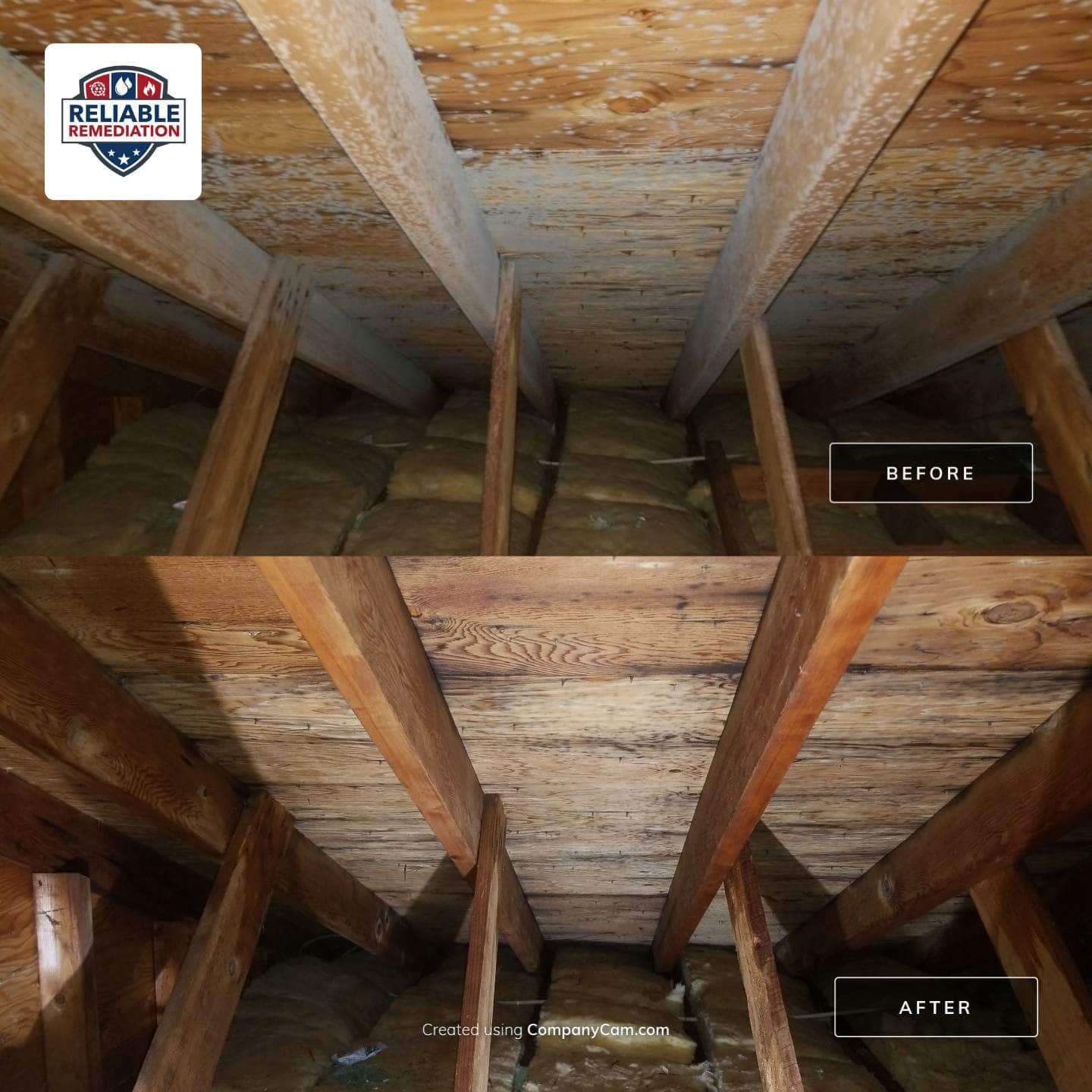
We have helped hundreds of families across Windham County, Tolland County, and New London County turn property damage into a clean, safe environment. Our process is simple and transparent:
- Get an Evaluation: We inspect your attic to find all hidden moisture and locate the root cause.
- Receive a Customized Plan: We create a clear cleanup plan and explain it to you line by line.
- Restore Your Home: Our certified experts safely clean your attic so you can breathe easy again.
Removing Financial Fear with Written Guarantees
We put our promises in writing to protect your investment:
- The Pricing Guarantee: Because we performed an on-site evaluation, we guarantee our fixed price will not be exceeded unless hidden damage is uncovered. If a change order is needed, we will provide a full photo report, stop work immediately, and require your signed approval before proceeding.
- The Mold Remediation On-Time Guarantee: We promise to finish your project on schedule. If we run late due to a delay in our control, we will credit your account $100 for every extra day we take.
Working with a trusted local guide means you have someone on your side. Taking action today prevents a small moisture problem from turning into an expensive repair. Let us help you eliminate the confusion, take back control, and restore your peace of mind.