What Is the Difference Between Mold and Mildew? A Guide for Homeowners
Many homeowners erroneously think mildew is harmless and only mold is dangerous. This thinking is wrong because mildew is a living fungal organism that indicates an active moisture problem. If you ignore mildew, you are essentially ignoring a warning sign that more destructive mold is likely already taking root or will soon arrive. If you have discovered fuzzy patches or dark spots in your home, you are likely asking yourself: what is the difference between mold and mildew? While both are types of fungi that thrive in moist environments, they differ significantly in appearance, growth patterns, and potential health risks.

Mold vs. Mildew - What's the Difference?
When comparing mold vs mildew, the primary distinction lies in how they interact with your home. Generally, mildew is a surface-level growth that appears white or gray and powdery, whereas mold is more invasive, often appearing fuzzy or slimy in colors like green, black, or blue. Mildew is typically a minor nuisance that can be scrubbed away from non-porous surfaces. In contrast, mold is a structural threat that can penetrate deep into materials like drywall and wood, leading to costly repairs and potential respiratory issues for your family. Understanding these differences is the first step in protecting your property and ensuring your indoor air quality remains high.
The Hidden Threat to Your Peace of Mind
As a homeowner, you take pride in maintaining a safe, healthy environment for your family. Whether you live in a historic Tolland farm house or a modern build in Glastonbury, you deserve a space that is free from allergens and structural damage. You work hard to preserve the value of your investment and the well-being of those who live inside it. However, the discovery of a damp smell or a mysterious stain in the bathroom, basement, or attic can quickly disrupt that peace of mind.
The problem often begins quietly. You might notice a faint, musty odor or a small patch of discoloration. The uncertainty of whether you are dealing with a minor cleaning task or a major remediation project creates significant anxiety. You worry about your family's health and the physical damage these fungi can cause to your walls, ceilings, and floors. No homeowner should have to fear the air they breathe in their own house, yet fungal growth remains a persistent challenge in Eastern CT.
How to Identify the Difference: Mold vs Mildew
To solve this problem and regain control of your home, you need to know exactly what you are looking at. Here is a detailed breakdown of how to distinguish between these two common household intruders:
1. Check the Appearance Carefully
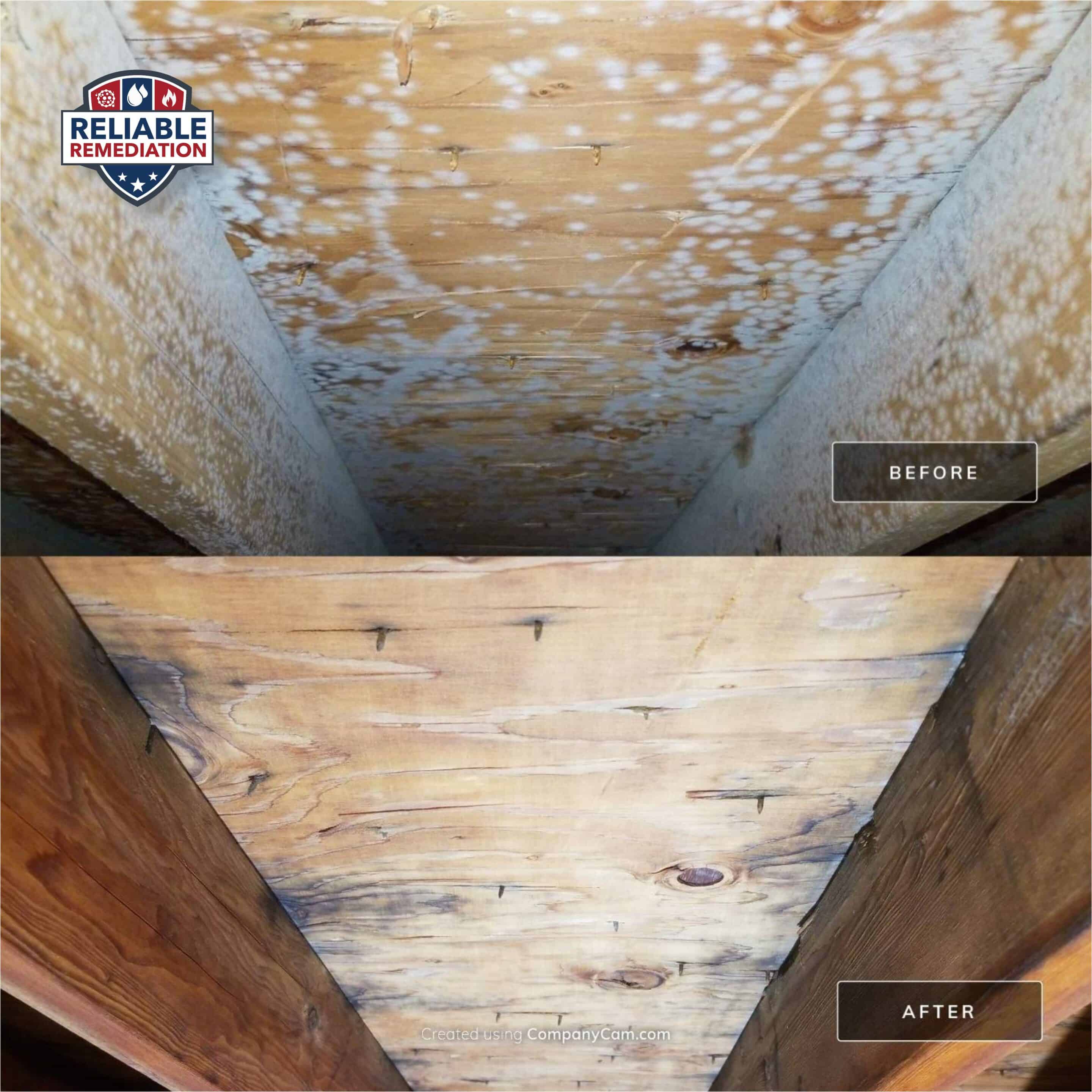
Mildew typically grows in a flat, thin pattern. It often starts out white or gray and may turn yellowish or brown over time. It looks like a light dusting of powder or a thin, localized film. Mold, on the other hand, is usually thicker and more substantial. It can look fuzzy, velvety, or even slimy. It comes in a wide variety of colors, including deep black, forest green, bright orange, and navy blue. If the growth appears to have "height" or a textured surface, it is almost certainly mold.
2. Analyze Location and Depth of Growth
Mildew is essentially a surface fungus. It loves flat, non-porous surfaces like shower tiles, window sills, and painted walls where moisture sits. It stays on top of the material and does not eat into the structure. Mold is far more aggressive and destructive. It penetrates deep into porous materials like drywall, wood framing, insulation, and carpeting. If you see mold on the surface of your wall, there is a high probability it has already begun to consume the gypsum or wood underneath, compromising the material's integrity.
3. Use the Smell Test
Both fungi produce an earthy, musty odor caused by microbial volatile organic compounds. However, the smell of mold is typically much more pungent, sharp, and persistent. If you clean an area thoroughly and that "old basement" smell returns within a day or two, you are likely dealing with a deeper mold infestation rather than simple surface mildew. This lingering scent is often the first sign that spores are colonizing spaces behind your walls or under your floorboards.
Taking Action to Protect Your Property
Do not wait for a small patch of mildew to turn into a major mold problem. If you are unsure what you are looking at, contact our team for a professional inspection. We provide expert mold assessment and remediation services throughout our local service area, including towns like Groton and Tolland. We specialize in identifying and removing dangerous growth, including black mold ct homeowners often find in damp basements or crawl spaces. We use advanced moisture detection tools to find the hidden leaks or humidity sources that are fueling the growth. Let us help you identify the source of the moisture and eliminate the fungus at its root so it does not return.
Not sure if you're looking at mold or mildew? Don't guess. Get a professional inspection and know for certain.
The Risks of Delaying Remediation
Ignoring these signs can lead to serious consequences for both your home and your health. Mildew can eventually damage household plants and create unsightly stains, while mold can cause significant structural rot in your home's framing. From a health perspective, prolonged exposure to mold spores can lead to persistent coughing, allergic reactions, and more severe respiratory issues. By acting now, you avoid the nightmare of expensive structural repairs and the stress of health scares. Taking a proactive approach ensures that a small moisture issue does not become a full scale restoration project or a widespread issue with black mold ct.
Your Trusted Local Guides for Home Safety
At Reliable Remediation, we act as your trusted local guides. We have seen firsthand how moisture issues in our specific service area can spiral out of control if left unaddressed. Our local climate often brings high humidity levels that create the perfect breeding ground for fungal growth. We understand the unique challenges homeowners face here, from damp basements to attic condensation. Our expertise allows us to provide clear, honest assessments so you can make the best decisions for your property without the stress of the unknown. We are here to help you navigate these issues and keep your home a safe haven.
Restoring a Healthy and Happy Home
When you address the moisture issues in your home, you gain more than just a clean wall. You gain the peace of mind that comes with knowing your indoor air quality is high and your home's structure is sound. You can breathe easy, literally and figuratively, knowing your space is protected by your trusted local guides. A dry, clean home is a happy home, and we are dedicated to helping you achieve that success.